
Anúncios
Discover the essential care needed to safely welcome a large dog into your home

Discover how adopting a dog can transform your daily routine! Source: Canva
Adopting a large breed dog is a decision that changes any family’s routine, bringing companionship, joy, and new daily responsibilities.
Unlike small dogs, large breeds require space, planning, and specific care to ensure a smooth and healthy adjustment period.
Before bringing this new family member home, understanding what changes in practice helps avoid surprises and frustration in the first weeks.
In this guide, you’ll discover how to prepare to adopt a large dog, from essential supplies to health and behavior care.
Why adopting a large breed dog is a special choice
Large dogs are often known for their loyalty, calm nature, and strong emotional bond with the family, making them wonderful long-term companions.
Many people still hesitate to adopt bigger dogs, believing they require more work, but with proper preparation, cohabitation tends to be smooth.
In addition, large breed dogs are often the last to be adopted from shelters, which makes this choice even more meaningful.
By choosing a large dog, you not only gain a loyal companion, but also help reduce overcrowding in shelters and rescues.
What to consider before adopting a large dog for your home
Before making the decision, it’s important to assess whether your routine and space truly match the needs of a large breed dog.
Each breed has its own energy level, temperament, and daily requirements, so thorough research before adoption is essential.
- Available space and lifestyle: Large dogs often need more room to move freely, although many adapt well to apartments with regular walks. Assess whether your home has a secure outdoor area or whether you have time available for longer, more frequent daily walks.
- Energy level and breed activity: Some large breeds are calmer, while others require intense daily exercise to burn energy and avoid boredom. Talking to the shelter about the dog’s specific temperament helps you understand whether the profile fits your current routine.
- Preparing your home for the arrival of a large dog: Before the new pet arrives, a few adjustments at home can make all the difference in ensuring comfort and safety from day one. Thinking about these details in advance helps prevent stress for both you and the animal during the adjustment period.
- Resting area and furniture adjustments: Set aside a quiet, spacious area where the dog can rest, with a comfortable bed suited to their size. Low or fragile furniture may need to be repositioned, since large dogs tend to take up more space as they move around the house.
- Safety in gates, fences, and outdoor areas: Check that gates and fences are truly sturdy, since larger dogs have more physical strength and can force openings.: Outdoor areas should be checked for gaps or escape points, ensuring the pet stays safe when alone in the yard.
Essential items to buy before the adoption
Having the right items ready before the dog arrives makes adjustment easier and avoids rushed pet store trips in the first few days.
See below a list of the main recommended items for large breed dogs:
| Item | Note |
| Reinforced collar and leash | Withstands the weight and strength of large dogs |
| Large-size bed | Adequate space for comfortable rest |
| Large food and water bowls | Compatible with the animal’s daily intake |
| Reinforced carrier crate | For trips and emergencies |
| Durable toys | Prevent quick wear and choking hazards |
Investing in quality items helps avoid frequent replacements, since large dogs tend to use their belongings more intensely.
Choosing brands known for durability can represent long-term savings, even if the initial investment is a bit higher.
Feeding: how to plan the diet of a large breed dog
Feeding large dogs usually requires extra attention, since rapid growth can directly impact bone and joint health.
Large breed specific kibble is generally formulated with nutrition designed for this type of physical development.
It’s important to follow the veterinarian’s recommendations regarding daily amounts, avoiding both underfeeding and excess weight.
Keeping fixed feeding times also contributes to a more predictable routine and to the animal’s digestive health.
Dog Adoption
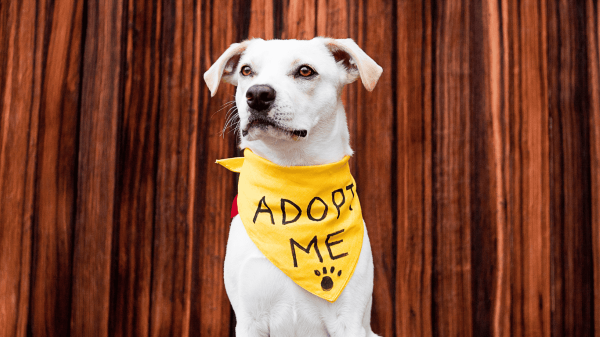
Dogs Trust
Veterinary care specific to large breeds
Large breed dogs have health particularities that deserve attention from the very first days after adoption.
Scheduling a vet visit early on helps identify potential issues and create a personalized care plan.
Joint health and preventing dysplasia
Large breeds have a higher predisposition to joint problems, such as hip dysplasia, especially during the growth phase.
Avoiding high-impact exercise in puppies and maintaining an adequate weight are important measures to protect joint health.
Vaccines and initial check-up
Check with the shelter which vaccines have already been given and schedule the rest of the protocol as soon as possible with a trusted professional.
A full check-up right after arrival helps identify pre-existing conditions and start health monitoring with confidence.
Training and socialization: handling the dog’s strength and size
Training is even more important for large dogs, since their physical size requires more control during walks and everyday interactions.
Teaching basic commands early on helps ensure safety for both the owner and other people and animals nearby.
Gradual socialization with other dogs, people, and environments contributes to more balanced and confident behavior.
Seeking support from professional trainers can be a great option for first-time owners or dogs with an unknown history.
Costs involved in adopting and maintaining a large dog
Before adopting, it’s important to have a clear picture of the costs involved, since larger dogs tend to generate somewhat higher expenses.
This includes everything from food to medication, as the required amounts tend to be proportional to the animal’s size.
Planning a monthly budget for food, veterinary care, and hygiene items helps avoid financial surprises over time.
It’s worth remembering that many shelters already include vaccination and spaying/neutering in the adoption fee, reducing part of the initial costs.
The first days at home: adjustment and patience
The first days are essential for building trust between you and your new pet, so patience should be the keyword.
Avoid big commotion or visits from many people early on, giving the dog time to explore the new environment calmly.
Keeping a predictable routine for feeding, walks, and rest helps the animal feel safe more quickly.
Remember that every dog has its own pace of adjustment, and respecting that process strengthens the bond between you.
Conclusion
Adopting a large breed dog is a transformative experience that requires preparation, planning, and a lot of love from day one.
With the right care regarding space, feeding, health, and training, the adjustment tends to be much smoother for everyone involved.
More than just a new pet, you gain a loyal companion for the next chapters of your life, filled with new memories.
Liked it? Want to learn more about dog adoption? Discover how to prepare for adopting a senior dog in the following article!
Related Content


